




Multiple sclerosis needs individualised medical care, but practical Ayurvedic changes in diet, lifestyle, therapies, and herbs can often ease symptoms and improve day‑to‑day functioning.
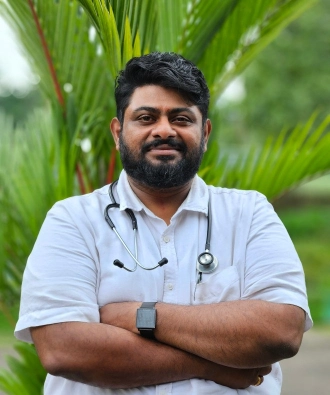
Hi, I am Dr. Surej Subash, an MD in Ayurveda and senior consultant physician. Currently, I am practicing at Ayur Bethaniya, a dedicated Ayurveda hospital in Kerala. I share the following insights from my clinical experience as an Ayurvedic physician, not to replace your neurologist's advice.
Seeing MS Through Ayurveda
When I meet a person with multiple sclerosis, I usually understand it as a deep Vata disturbance primarily affecting the majja dhatu. Over time, this imbalance manifests as fatigue, stiffness, numbness, and unpredictable relapses. My focus is to calm Vata, strengthen and nourish the dhatus, and support the mind rather than chase each symptom separately. At Ayur Bethaniya, we almost always integrate food, routine, Panchakarma, yoga, and carefully selected herbs into a comprehensive, long-term plan.
Diet
In practice, the first change I make is to move the patient slowly towards a warm, Vata‑pacifying diet: fresh, cooked meals like soft rice, millets, vegetable stews, kichadi, and lightly spiced soups with ghee or good oils. I usually find that cold salads from the fridge, dry snacks, processed foods, and sugary drinks increase stiffness and fatigue, so I ask my patients to reserve these for rare occasions, if at all. Many people feel better when dairy, red meat, refined flour, and deep‑fried items are reduced, while adding turmeric, ginger, cumin, coriander, and omega‑3 sources such as flaxseed or fatty fish (if non‑vegetarian) helps calm inflammation over time.
I have also noticed that how a person eats matters as much as what they eat. Regular meal timings, eating in a calm space, chewing well, and stopping just before feeling completely full improve digestion, reduce bloating, and keep energy steadier through the day. For patients with constipation, which is very common in MS, warm water, soaked raisins, fiber‑rich whole grains, and a bedtime teaspoon of ghee often make a noticeable difference within a week.
Lifestyle
Most people who come to me with MS are already tired of being told to “rest more,” so I prefer to talk about intelligent pacing. I ask them to divide the day into shorter activity blocks with frequent breaks, avoiding long, continuous strain on the body or mind, and to respect early warning signs like heaviness in the legs or blurred concentration instead of pushing through them. Gentle movement is essential: simple joint rotations, slow walking on level ground, and basic asanas within capacity tend to maintain flexibility without triggering flare‑ups.
Daily routine (dinacharya) becomes a stabilising anchor. Many patients feel calmer when they keep fixed waking and sleeping times, use warm oil self‑massage (abhyanga) before bath on most days, and spend a few minutes on slow breathing or meditation morning and evening. Reducing screen exposure late at night, keeping the bedroom dark and cool, and learning a few simple relaxation techniques have helped several of my patients sleep more deeply and wake with less stiffness.
Ayurvedic Therapies
In the hospital setting, Panchakarma and external therapies are chosen only after examining strength, stage of disease, and associated conditions. For many MS patients, I usually begin with snehana (oil application) and swedana (mild sudation) using medicated oils that nourish the nerves and soften tight muscles; these treatments alone can reduce spasticity and improve range of motion when continued over a few weeks. Depending on the case, we may then plan basti (medicated enemas), which classical texts describe as the prime therapy for Vata disorders, in my experience, can influence fatigue, bladder symptoms, and pain when administered in a well-designed course.
For patients with more pronounced imbalance in the head and neck area—vertigo, blurred vision, severe mental fatigue—I often add ayurvedic treatments like shirodhara (steady stream of medicated oil on the forehead), shiropichu (oil‑soaked cotton on the crown), or nasya (nasal medication) once basic strength is restored. These are not “spa relaxations”; when performed correctly, they appear to calm the overstimulated nervous system, reduce anxiety, and improve clarity of thought, especially when combined with counselling and family education.
Herbal Support
At the prescription desk, I rarely give the same combination to two different MS patients because their prakriti, stage, and associated illnesses vary widely. Still, certain herbs feature often in my practice: Ashwagandha to support strength, sleep, and stress handling; Brahmi and Shankhpushpi for cognitive clarity and mood; Guduchi and turmeric for immune modulation and inflammation; and Shatavari in those needing more rasayana (rejuvenation) support. Sometimes these are given as powders or tablets; at other times as classical formulations like ghritas (medicated ghee) or decoctions, always with close monitoring of digestion, sleep, and neurological status.
It is very important to remember that herbs can interact with disease‑modifying drugs, anticoagulants, and other modern medicines. In my practice, I insist that patients inform their neurologist about any Ayurvedic medicines they are taking, and I encourage joint reviews whenever possible so that both streams of care move in the same direction. Self‑medicating with high doses of “brain herbs” or internet‑based mixtures without supervision may overheat the system, disturb sleep, or even worsen symptoms in sensitive individuals.
Ayur Bethaniya: Best Ayurvedic Hospital in Kerala
At Ayur Bethaniya in Thrissur, we have designed our programmes to give MS patients a calm, homely environment where traditional Ayurveda and modern facilities work together. Our team combines detailed consultations, diagnostic support, individualised diet, structured Panchakarma courses, yoga, and physiotherapy to address each person’s unique pattern of symptoms rather than offering a generic “MS package.” For those willing to commit to a long‑term, integrated plan alongside their neurological care, we strive to provide ethical, evidence‑informed Ayurveda that focuses on dignity, independence, and quality of life.
Feel free to contact us for your queries regarding ayurvedic treatment for Multiple Sclerosis.
Read to know: Effective Ayurvedic Beauty Rituals For Healthy & Glowing Skin
