




Hi, I am Dr. Surej Subash, an MD in Ayurveda and senior consultant physician. Currently, I am practicing at Ayur Bethaniya, a dedicated Ayurveda hospital in Kerala.
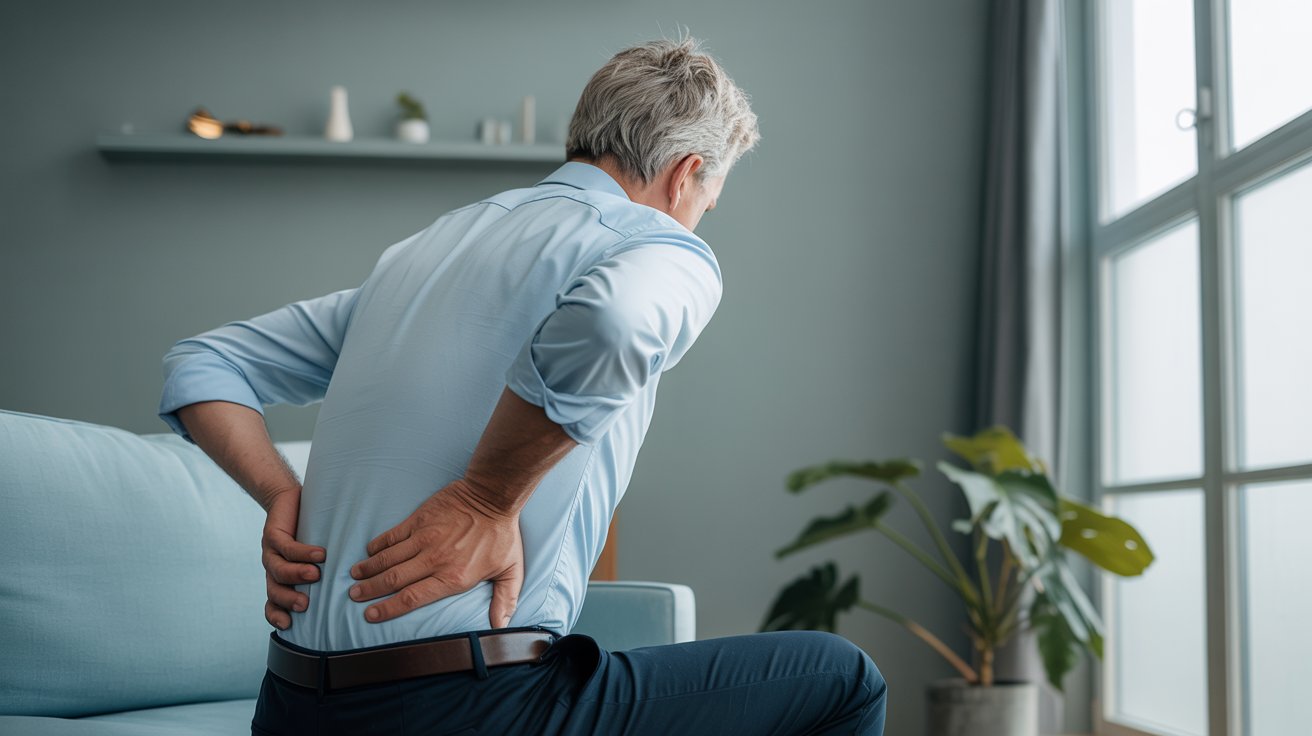
In my practice at Ayur Bethaniya, I have seen the "guarded walk" more times than I can count. A patient enters the room, moving with a stiff, cautious gait, their body braced against a blow that hasn't landed yet. They move as if their spine is made of glass. Usually, they carry a heavy file of MRI reports and a long history of temporary fixes, painkillers that dull the senses but leave the root cause untouched. They come to me as a last resort, convinced that a "bad back" is just a part of getting older or the inevitable cost of a corporate career.
In Ayurveda, we look at the spine differently. We call it the Meru Danda, the central pillar of the human body. When I sit with a patient, I am not just looking at a slipped disc or a pinched nerve; I am looking at a structural and energetic imbalance. We shift the focus from "treating a symptom" to "nurturing the axis." Back pain isn't a life sentence or a random accident of age; it is the physical manifestation of neglected biological balance. My promise to my patients is simple: once we stop seeing the back as an isolated set of bones and start seeing it as a living system that needs lubrication, warmth, and proper digestion, the pain loses its grip.
The Anatomy of Pain: Vata and the Spine
To understand back pain, you must understand Vata Dosha. In my practice, I explain to patients that Vata is characterized by dryness, coldness, and irregularity. The spine is its primary seat. When Vata increases, we see the onset of Katigraha, a state where the lower back loses its natural fluidity and becomes stiff and brittle.
Think of your intervertebral discs as sponges. In a healthy state, they are "Snehana" (well-lubricated) and resilient. However, the "sitting disease" of our modern lifestyle, combined with irregular sleep and cold, dry foods, acts like a dehydrator. It sucks the moisture out of these spinal sponges. As the lubrication vanishes, the discs thin, the nerves become hypersensitive, and the "wind" of Vata creates the grinding, sharp pain my patients know all too well.
Daily Rituals (Dinacharya) for Spinal Resilience
Prevention is the most effective medicine I can offer. I tell my patients that daily Abhyanga, or self-oil massage, is like putting on a suit of armor for your spine. Specifically, using Dhanwantharam Thailam or Sahacharadi Thailam is non-negotiable. This isn’t just about soothing the skin; the skin is the gateway to the deeper tissues.
The science of absorption in Ayurveda is profound. These medicated oils are processed with herbs that nourish the Asthi Dhatu (bone tissue) and Majja Dhatu (nerve tissue). Following this with Swedana, the application of warmth, whether through a hot bath or a heating pad, is critical. Heat dilates the channels, allowing the oil to move deeper while simultaneously restoring elasticity to the muscles that have clamped down in a state of chronic guarding.
The Gut-Back Connection: Why Your Digestion Rules Your Spine
It surprises many of my patients when I begin a back-pain consultation by asking about their bowel movements. In Ayurveda, the gut and the spine are inextricably linked. When your Agni (digestive fire) is weak, it produces Ama undigested metabolic waste that acts like a toxic sludge. This Ama circulates through the bloodstream and tends to settle in areas that are already weak or stagnant, such as the lower back joints, triggering inflammation and deep-seated aching.
There is also a physical pressure at play. Chronic constipation and trapped gas create significant intra-abdominal pressure. This internal bloating literally pushes against the lumbar spine from the inside, straining the surrounding muscles and ligaments. To fix the back, we must lighten the gut. I prescribe a shift toward Vata-pacifying foods: think warm, soupy, and well-oiled dishes like Khichdi with ghee. You must avoid "Vata-aggravating" culprits, such as raw salads, cold smoothies, and dry crackers, which only add "wind" and dryness to an already brittle system.
Ergonomics and "Ayurvedic Movement"
I often tell my patients that how they sit is just as important as what they eat. The most powerful tool in my preventive kit is Vajrasana (Thunderbolt Pose). It is the only asana I recommend doing immediately after meals because it forces the spine into a natural, vertical alignment while simultaneously aiding digestion. By folding the legs, you redirect blood flow to the pelvic region and keep the lower back from slouching.
When using yoga as medicine, we prioritize "extension" over "flexion." I frequently prescribe Bhujangasana (Cobra Pose) to strengthen the spinal extensors and Marjariasana (Cat Pose) to gently lubricate the vertebrae through rhythmic movement.
Crucially, I warn patients with active pain to avoid forward bends like Paschimottanasana. In a Vata-aggravated state, these "closing" movements can further compress the discs. Finally, we must look at your workspace. If you sit for hours, your chair becomes part of your physical Prakriti (constitution). Use a lumbar support to maintain the natural curve of your spine, and never let your knees sit higher than your hips, as this flattens the lumbar arch and invites pain.
Professional Clinical Interventions at Ayur Bethaniya
In my practice at Ayur Bethaniya, I've observed that the heaviest burdens people carry aren't always physical. We often use the phrase "carrying the weight of the world on one's shoulders," and clinically, that is exactly what I see. Chronic stress and anxiety trigger a "guarding" reflex, the body’s primitive instinct to tighten the muscles around the spine to protect it from a perceived threat. Over time, this mental tension locks the lower back and pelvic floor into a state of permanent contraction, which eventually leads to structural misalignment.
To address this, we cannot just treat the muscle; we must treat the Manas (mind). This is why I often prescribe Shirodhara, the rhythmic pouring of warm oil on the forehead, for patients with chronic back issues. By calming the central nervous system, we signal the back muscles to finally "let go." When the mind stops bracing for impact, the physical guarding melts away, allowing our physiological treatments to work much faster. Healing the spine is as much about emotional release as it is about physical alignment.
Conclusion
The spine reflects how balance has been managed over time, not just structurally but in daily habits. It is designed to support movement, not demand constant caution. Recovery does not happen through a single intervention. It develops through consistent practices that restore warmth, lubrication, and controlled motion. When these elements are built into everyday routines, posture stops feeling like a liability. Movement becomes more confident, and strain reduces because the body is no longer compensating. The focus shifts from protecting the spine to using it as it was intended.
Ayur Bethaniya: Best Ayurvedic Hospital in Kerala
Healing at Ayur Bethaniya is far removed from a generic spa experience. We provide a rigorous, doctor-led clinical environment where traditional Kerala Ayurveda meets modern diagnostic clarity. Our 12-acre lush green campus in Thrissur is an NABH-accredited facility designed for deep recovery. By combining the expertise of our MD-qualified physicians with a multidisciplinary approach involving physiotherapy and modern medicine, we offer specialized care for chronic neurological and orthopedic conditions. We don't just aim for temporary relief; we provide a disciplined, scientific path to help you reclaim your mobility and live a life free from the constraints of chronic pain.
Feel free to contact us for your queries regarding ayurvedic treatment for backpain.
Read to know: Effective Ayurvedic Beauty Rituals For Healthy & Glowing Skin
The Anatomy of Pain: Vata and the Spine
To understand back pain, you must understand Vata Dosha. In my practice, I explain to patients that Vata is characterized by dryness, coldness, and irregularity. The spine is its primary seat. When Vata increases, we see the onset of Katigraha, a state where the lower back loses its natural fluidity and becomes stiff and brittle.
Think of your intervertebral discs as sponges. In a healthy state, they are "Snehana" (well-lubricated) and resilient. However, the "sitting disease" of our modern lifestyle, combined with irregular sleep and cold, dry foods, acts like a dehydrator. It sucks the moisture out of these spinal sponges. As the lubrication vanishes, the discs thin, the nerves become hypersensitive, and the "wind" of Vata creates the grinding, sharp pain my patients know all too well.
Daily Rituals (Dinacharya) for Spinal Resilience
Prevention is the most effective medicine I can offer. I tell my patients that daily Abhyanga, or self-oil massage, is like putting on a suit of armor for your spine. Specifically, using Dhanwantharam Thailam or Sahacharadi Thailam is non-negotiable. This isn’t just about soothing the skin; the skin is the gateway to the deeper tissues.
The science of absorption in Ayurveda is profound. These medicated oils are processed with herbs that nourish the Asthi Dhatu (bone tissue) and Majja Dhatu (nerve tissue). Following this with Swedana, the application of warmth, whether through a hot bath or a heating pad, is critical. Heat dilates the channels, allowing the oil to move deeper while simultaneously restoring elasticity to the muscles that have clamped down in a state of chronic guarding.
The Gut-Back Connection: Why Your Digestion Rules Your Spine
It surprises many of my patients when I begin a back-pain consultation by asking about their bowel movements. In Ayurveda, the gut and the spine are inextricably linked. When your Agni (digestive fire) is weak, it produces Ama undigested metabolic waste that acts like a toxic sludge. This Ama circulates through the bloodstream and tends to settle in areas that are already weak or stagnant, such as the lower back joints, triggering inflammation and deep-seated aching.
There is also a physical pressure at play. Chronic constipation and trapped gas create significant intra-abdominal pressure. This internal bloating literally pushes against the lumbar spine from the inside, straining the surrounding muscles and ligaments. To fix the back, we must lighten the gut. I prescribe a shift toward Vata-pacifying foods: think warm, soupy, and well-oiled dishes like Khichdi with ghee. You must avoid "Vata-aggravating" culprits, such as raw salads, cold smoothies, and dry crackers, which only add "wind" and dryness to an already brittle system.
Ergonomics and "Ayurvedic Movement"
I often tell my patients that how they sit is just as important as what they eat. The most powerful tool in my preventive kit is Vajrasana (Thunderbolt Pose). It is the only asana I recommend doing immediately after meals because it forces the spine into a natural, vertical alignment while simultaneously aiding digestion. By folding the legs, you redirect blood flow to the pelvic region and keep the lower back from slouching.
When using yoga as medicine, we prioritize "extension" over "flexion." I frequently prescribe Bhujangasana (Cobra Pose) to strengthen the spinal extensors and Marjariasana (Cat Pose) to gently lubricate the vertebrae through rhythmic movement.
Crucially, I warn patients with active pain to avoid forward bends like Paschimottanasana. In a Vata-aggravated state, these "closing" movements can further compress the discs. Finally, we must look at your workspace. If you sit for hours, your chair becomes part of your physical Prakriti (constitution). Use a lumbar support to maintain the natural curve of your spine, and never let your knees sit higher than your hips, as this flattens the lumbar arch and invites pain.
Professional Clinical Interventions at Ayur Bethaniya
In my practice at Ayur Bethaniya, I've observed that the heaviest burdens people carry aren't always physical. We often use the phrase "carrying the weight of the world on one's shoulders," and clinically, that is exactly what I see. Chronic stress and anxiety trigger a "guarding" reflex, the body’s primitive instinct to tighten the muscles around the spine to protect it from a perceived threat. Over time, this mental tension locks the lower back and pelvic floor into a state of permanent contraction, which eventually leads to structural misalignment.
To address this, we cannot just treat the muscle; we must treat the Manas (mind). This is why I often prescribe Shirodhara, the rhythmic pouring of warm oil on the forehead, for patients with chronic back issues. By calming the central nervous system, we signal the back muscles to finally "let go." When the mind stops bracing for impact, the physical guarding melts away, allowing our physiological treatments to work much faster. Healing the spine is as much about emotional release as it is about physical alignment.
Conclusion
Conclusion
The spine reflects how balance has been managed over time, not just structurally but in daily habits. It is designed to support movement, not demand constant caution. Recovery does not happen through a single intervention. It develops through consistent practices that restore warmth, lubrication, and controlled motion. When these elements are built into everyday routines, posture stops feeling like a liability. Movement becomes more confident, and strain reduces because the body is no longer compensating. The focus shifts from protecting the spine to using it as it was intended.
Ayur Bethaniya: Best Ayurvedic Hospital in Kerala
Healing at Ayur Bethaniya is far removed from a generic spa experience. We provide a rigorous, doctor-led clinical environment where traditional Kerala Ayurveda meets modern diagnostic clarity. Our 12-acre lush green campus in Thrissur is an NABH-accredited facility designed for deep recovery. By combining the expertise of our MD-qualified physicians with a multidisciplinary approach involving physiotherapy and modern medicine, we offer specialized care for chronic neurological and orthopedic conditions. We don't just aim for temporary relief; we provide a disciplined, scientific path to help you reclaim your mobility and live a life free from the constraints of chronic pain.
Feel free to contact us for your queries regarding ayurvedic treatment for backpain.
Read to know: Effective Ayurvedic Beauty Rituals For Healthy & Glowing Skin
