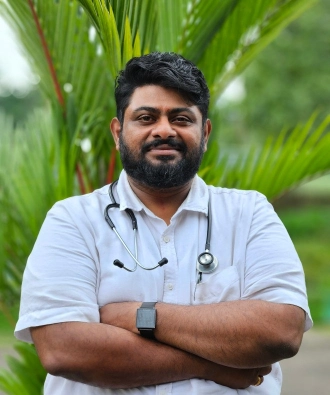




Hi, I am Dr Surej Subash, an MD in Ayurveda and senior consultant physician.
Every week at Ayur Bethaniya, I meet individuals who appear very different on the outside – IT professionals, business owners, homemakers, frequent travellers – yet they share a similar story. They complain of constant tiredness, brain fog, irritability, unexplained aches, disturbed sleep, and a feeling of being “stuck” inside their own bodies. When I listen to their routine, one pattern repeatedly emerges: irregular food habits, long screen time, high stress, lack of movement, and minimal time to rest or digest – physically and mentally. From an Ayurvedic perspective, this lifestyle steadily disturbs the balance of the doshas and creates a buildup of toxins (ama) in the body. Panchakarma is the classical Ayurvedic response to exactly this kind of imbalance.
Panchakarma literally means “five actions” – referring to five primary purificatory procedures traditionally designed to cleanse the body and restore doshic balance. However, in real clinical practice, Panchakarma is much more than five therapies performed in sequence. It is a deeply individualized program that I plan based on the patient’s constitution (prakriti), current imbalance (vikriti), age, strength, digestive capacity, and lifestyle. What many people do not realize is that the visible procedures (like massage, steam, or cleansing therapies) are only one part of Panchakarma; the preparation and post-care are equally important for safe and lasting results.
What I observe in modern patients
Most of my Panchakarma patients arrive with signs of impaired digestion and chronic stress. They describe:
- A feeling of heaviness despite having eaten small portions of food
- Indigestion, bloating, or irregularity of bowel movements
- Occurrence of frequent headaches or pain and rigidity in shoulders and neck
- Sleep disturbances, insomnia, or interrupted sleep
- Irritability, anxiety, or feeling perpetually “overwhelmed”
From an Ayurvedic lens, such patterns indicate that the digestive fire (agni) is burdened and unable to process food and experiences properly. Over time, this creates ama – a sticky, toxic residue that circulates and settles in weaker areas of the body and mind. Panchakarma is the process through which we loosen, mobilize, and expel this ama, while simultaneously pacifying aggravated doshas.
The three phases of Panchakarma in practice
When I take a patient through Panchakarma, I always think in three phases: preparation, active cleansing, and rejuvenation.
- Purva Karma (preparatory phase)
In today’s hurried lifestyle, people often want quick results, but Ayurveda insists on preparation. During this stage, I support the body to become ready for deeper cleansing. This usually includes:- Internal oleation (snehapana) with medicated ghee or oils appropriate to the patient’s doshas and condition
- External oleation (abhyanga) – full body oil massage to soften tissues and mobilize toxins
- Sudation (swedana) – gentle steam or sweating therapies to dilate channels and bring toxins towards the gut
- Many patients tell me that even in this initial phase they start sleeping better, feel lighter, and experience a subtle emotional release. This is often the first sign that the body is responding and that long-held tension is starting to loosen.
- Pradhana Karma (main Panchakarma procedures)
After careful assessment, I select specific Panchakarma therapies suitable for the individual. Commonly used procedures include:- Vamana (therapeutic emesis) – for selected conditions with aggravated Kapha, such as certain respiratory or metabolic issues
- Virechana (therapeutic purgation) – to expel excess Pitta and deep-seated toxins from the gastrointestinal tract
- Basti (medicated enemas) – one of the most powerful treatments for Vata disorders, joint diseases, neurological issues, and generalized weakness
- Nasya (nasal medication) – to cleanse and nourish the head region, helpful in sinus issues, headaches, and certain psychological complaints
- Raktamokshana (bloodletting, in selective indications) – used less frequently and only when clearly indicated
- For modern lifestyle disorders, I often rely more on Virechana, Basti, and Nasya, because these are especially effective in addressing digestive issues, stress-related complaints, hormonal imbalances, joint problems, and nervous system disturbances that are common in today’s patients.
- Paschat Karma (post-procedure rejuvenation)
This is the phase that many people underestimate, but in my view, it determines how deeply the results of Panchakarma will stay with the patient. After cleansing, the body is in a sensitive, receptive state. Here, I gradually reintroduce food with a light, easily digestible diet and support the system with appropriate herbal formulations, rasayana (rejuvenation) therapies, and lifestyle guidance. During this time, I usually advise patients to keep their routine simple, avoid overstimulation, and respect the body’s need for rest. Those who follow this seriously often report not just physical improvement, but a reset in their relationship to food, sleep, work, and self-care.
How Panchakarma supports modern lifestyle balance
Through years of practice, here is how I have found Panchakarma to be useful in addressing modern-day issues:
- Digestive reset
With erratic eating habits and fast foods becoming a part of everyday life, patients generally feel a lot better after Panchakarma. This includes a stronger appetite, no bloating, regulated bowels, and freedom from the use of antacids and laxatives. Digestion serves as the base for everything else.
- Stress relief and mental clarity
Our minds stay in an alert state due to constant distractions, stressful deadlines, and various emotional disturbances. With Panchakarma, the nervous system gets regulated, especially when therapies such as Basti, Nasya, full-body oiling, and head treatment are involved. The patients tell me that they sleep much better now, experience less anxiety and find it easier to focus on tasks.
- Increased energy without relying on stimulants
As opposed to getting a temporary high on coffee and other substances, Panchakarma is supposed to rid the body of things which sap our strength. As a result, a patient feels energetic and ready to tackle anything. My patients often say, “I feel light and strong at the same time.”
- Enhanced joint and muscle comfort
Due to long hours of sitting and poor postural habits, many complain about stiffness in different areas of their body. Panchakarma can assist in dealing with this problem through suitable external therapies combined with detox and pacification of Vata.
- Increased immunity and resilience
The human body tends to be resilient if it has good digestion, detox abilities and rests properly. With this achieved through Panchakarma, the patients get sick less often and recover quickly.
Panchakarma as a gateway to lifestyle chang
One of the most powerful outcomes I witness is that Panchakarma often acts as a turning point in a person’s lifestyle journey. When someone invests time to disconnect from their usual routine, undergo structured ayurvedic treatments, and eat mindfully under supervision, they begin to experience how a more balanced lifestyle actually feels. This direct experience is more convincing than any advice.
During counselling sessions, I encourage patients to carry at least a few key habits back into daily life:
- Fixed meal times and early, lighter dinners
- Regular sleep and wake-up schedule, avoiding late-night screens
- Short, consistent movement practices like walking or yoga
- Simple breathing practices or meditation to manage stress
- Awareness of hunger, satiety, and emotional eating triggers
Those who sustain even a portion of these practices after Panchakarma typically retain the benefits longer and feel more in control of their health, rather than being at the mercy of symptoms.
Is Panchakarma for everyone?
Panchakarma is a powerful therapeutic process, and like any potent treatment, it must be done under proper medical supervision. It is not advisable to attempt “home Panchakarma” or random detoxes without assessment. In my clinical practice, there are times when I postpone or modify Panchakarma if a patient is very weak, pregnant, extremely elderly, or has certain acute conditions. Instead, I first work on gently improving digestion, strength, and mental stability before planning any deeper cleansing. A detailed consultation is therefore an essential first step.
When thoughtfully planned and correctly executed, Panchakarma becomes a safe, structured way to remove accumulated burdens from the body and mind, and to create space for a healthier, more conscious way of living. In today’s world, where people are constantly looking for balance but rarely find the time to step back, Panchakarma offers that pause – with a clear therapeutic purpose.
Ayur Bethaniya: Best Ayurvedic Hospital in Kerala for Panchakarma
Ayur Bethania is regarded among the most renowned Ayurvedic hospitals in Kerala for its authentic treatments through classical Panchakarma and Ayurveda treatments. Equipped with a highly qualified and professional team comprising Ayurvedic doctors, therapists, and nursing staff, the hospital aims at providing custom-made treatment methods for patients to get rid of their health problems by targeting their causes rather than their symptoms. The treatments involve the application of ancient Ayurvedic techniques along with tailored herbs and herbal medicines, therapeutic diets, yoga sessions, and appropriate lifestyle counseling for patients in order to treat their various illnesses or health problems in an appropriate manner.
Feel free to contact us for your queries.
Read to know: OVERCOMING BACK PAIN: AYURVEDA TIPS FOR PROFESSIONALS WITH DESK JOBS