



What is Muscle Spasms?
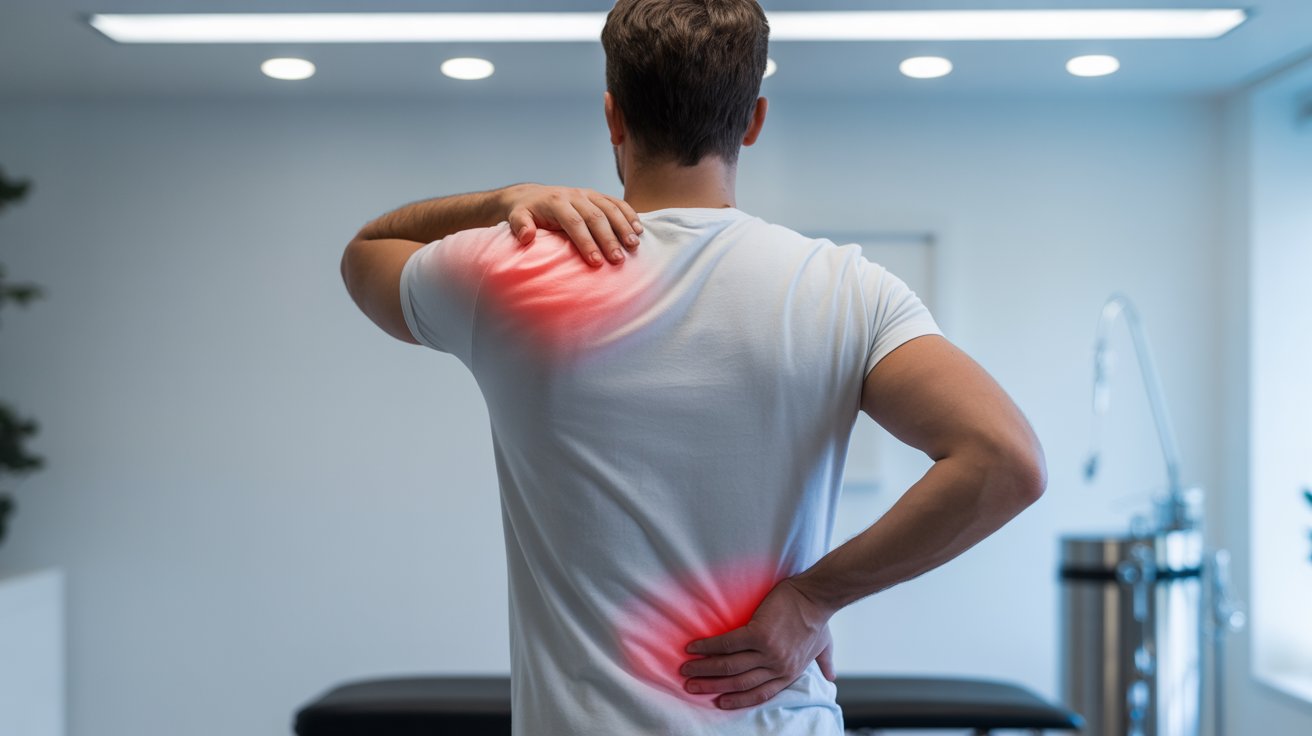
Involuntary, strong contractions of a muscle that is unable to relax are known as muscle spasms. While this condition can occur in any muscle in the body, the thighs, calves, feet, hands, arms, and abdomen are the most commonly affected. Even though they can be as minor as a slight twitch, they can be excruciatingly painful and often result in a noticeable hardening or bulging of the muscle. These spasms can recur and last from a few seconds to several minutes. One particularly common kind of spasm is a leg cramp that occurs at night. According to Ayurveda, these often have to do with an imbalance in the body's energies, or doshas.

Muscle Strain or Fatigue
Dehydration and Electrolyte Imbalances
Nerve Compression
Poor Circulation
Sudden, sharp pain
A feeling of a tightened or hardened muscle
Visible twitching or a lump under the skin
Tingling or numbness
Localized pain or soreness
Difficulty with movement
Aching in the head, neck, or back

Heal Muscle Spasms Naturally With Ayurveda
According to Ayurveda, an imbalance of the Vata dosha, which governs all body movement, including the activity of muscles and nerves, is the primary cause of pindikodveshtana, or muscle spasms. When Vata is aggravated by a poor diet, stress, or inactivity, it can lead to muscle dryness and stiffness. This also allows toxins, or ama, to build up in your tissues, making cramps worse. The goal of an Ayurvedic treatment for muscle spasms in Kerala is to clear out these toxins and calm the Vata dosha, which helps restore balance and provides long-lasting relief from pain.
Ayur Bethaniya is a reputed Ayurvedic hospital for Muscle Spasms in Kerala that has earned its reputation for providing truly holistic care. We believe that muscle spasms are a symptom of an underlying imbalance, specifically an aggravated Vata dosha and a buildup of toxins, rather than just a physical discomfort. To identify the root of the issue, our Ayur Bethaniya practitioners carefully evaluate the individual body type and lifestyle. This meticulous approach ensures that every Ayurvedic treatment for Muscle Spasms in Kerala is precisely tailored to the individual, leading to effective, long-term relief rather than just a temporary fix.
Our therapies aim to soothe the body's Vata dosha, eliminate toxins, and enhance muscle and nerve strength. Key therapies like Snehana, Swedana, and Panchakarma are central to this process. Our Ayurvedic approach for Muscle Spasms in Kerala goes beyond the clinic, providing tailored diet and lifestyle guidance to avoid future issues. In a serene environment and with compassionate staff, we offer a genuinely holistic experience, establishing us as a reliable Ayurvedic hospital for Muscle Spasms in Kerala. Our dedication to the patient's well-being has made us the top choice for those seeking relief.
Feel free to contact us for your queries regarding Ayurvedic treatment for Spinal Stenosis in Kerala.
Herbal Remedies
Ayurvedic herbs used for muscle spasm treatment have the ability to soothe muscles and strengthen nerves. They provide immediate relief and aid in detoxification. Some medicines are used for external application to ease pain.
Dietary Adjustments
Eating a diet that balances Vata is crucial. This means eating warm, nourishing, and easily digestible foods rather than cold, dry, or spicy ones that can aggravate Vata.
Stress Management
Techniques like mindfulness, deep breathing, and meditation are recommended to calm the nervous system. Stress management is essential for prevention because it can be a significant trigger for spasms.

Yoga for Muscle Spasms
Easing pain through gentle poses
Paschimottanasana
Bhujangasana
Uttanasana
Adho Mukha Svanasana
Marjaryasana-Bitilasana
Balasana
Prevention of Muscle Spasms
Explore simple ways for prevention
Stay well-hydrated throughout the day.
Eat a well-balanced diet high in electrolytes such as potassium and magnesium.
Stretch regularly, especially before and after exercise.
Avoid overexertion and take breaks during physical activity.