
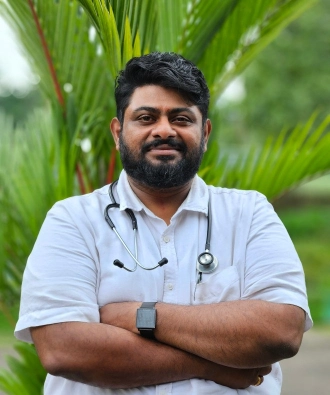



Hi, I am Dr. Surej[Consultant Physician, MD in Ayurveda], practicing at Ayur Bethaniya
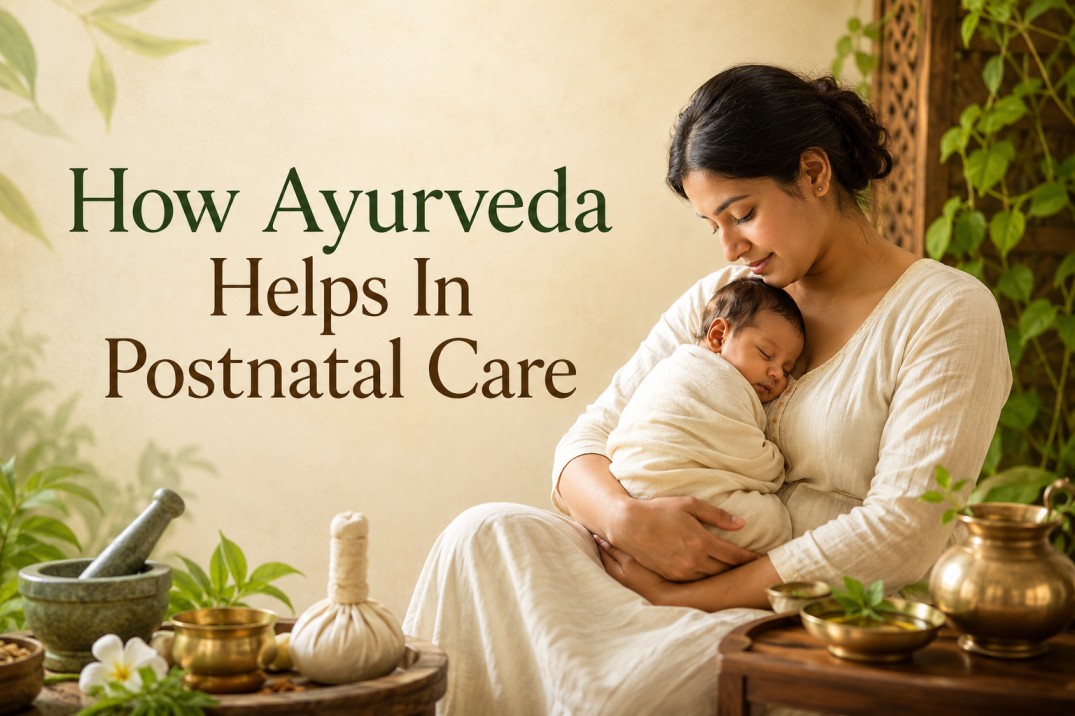
Becoming a mother is one of the most beautiful transitions in life, but as an Ayurvedic physician, I see every day how demanding this phase is on a woman’s body and mind. From the outside, people focus on the baby, photos, and milestones. Inside, the mother is dealing with pain, weakness, sleepless nights, mood swings, and a body that feels completely unfamiliar. In Ayurveda, this period is considered a highly vulnerable yet sacred window of healing, and understanding How Ayurveda Helps In Postnatal Care can make the difference between “somehow managing” and truly recovering.
What Is The Soothika Phase And Why Is It Important?
In Ayurveda, a new mother is called soothika - a woman in the immediate post-delivery stage whose body is still open, fragile, and trying to regain balance. After childbirth, Vata dosha (the principle of movement and dryness) naturally increases due to loss of blood, fluids, and the emptiness created in the abdomen once the baby is delivered. If this aggravated Vata is not handled properly, it can lead to chronic back pain, joint issues, anxiety, digestive troubles, disturbed sleep, and even long-term hormonal imbalances. When I meet mothers a few months or even years after delivery, many of their current complaints trace back to a neglected postnatal period. This is why Ayurveda emphasizes at least 45 days of focused care, and in some traditional Kerala households, up to three months of structured support.
From my clinical experience, the first few days after delivery should be all about rest, warmth, and gentle nourishment. I often tell families that the new mother needs the same level of care and attention as the newborn. The body has just completed an intense physical effort, and the tissues are in a state of depletion. Practically, this means ensuring the mother is kept warm, protected from cold wind and sudden temperature changes, and not exposed to excessive physical work or stress. Simple things like warm clothing, avoiding cold water, and staying in a calm room with minimal disturbance go a long way in preventing Vata-related issues later.
How Is Diet And Herbal Support Important For New Mothers?
Diet is one of the most powerful tools we use in Ayurvedic postnatal care. Immediately after delivery, the digestive fire (agni) is low. Heavy, oily, or junk food at this time can create indigestion, gas, and bloating, which in turn may affect milk flow and overall energy. So I usually start mothers on light, warm, easily digestible meals - thin rice gruels, lightly spiced vegetable soups, herbal teas, and medicated ghee in small quantities as per individual capacity. Gradually, as appetite improves, we introduce more nourishing items like thicker kanji, dal, local traditional preparations, and special herbal formulations that support tissue rebuilding and lactation. Each body is different, so I adjust the plan based on digestion, bowel movements, sleep, and energy levels.
Abhayanga and Massage Therapy for Physical Recovery
Another core part of How Ayurveda Helps In Postnatal Care is the use of abhyanga - gentle oil massage. Once medically safe and appropriate for the mother’s condition, regular massage with warm medicated oil helps relieve backache, neck pain, and stiffness; it improves circulation, calms the nervous system, and supports better sleep. In Kerala, many mothers receive full-body oil massage followed by a warm bath almost daily during the confinement period. As a doctor, I have seen how consistent abhyanga prevents long-term musculoskeletal problems and gives mothers a deep sense of relaxation. For caesarean deliveries, the approach and timing are modified carefully, always respecting the healing of the surgical wound and overall strength.
Along with that, in Ayurveda, we use Vedhu Kuli or Kashaya Dhara, which is a therapeutic bath that uses warm herbal decoctions that are prepared from vatahara or vata pacifying herbs. The process of Kashaya Dhara involves gently pouring or bathing the body with medicated kashayam. This reduces body pain, inflammation and fatigue in new mothers.
The shrinkage of the uterus, called uterine involution, is yet another subject on which Ayurvedic therapy can be well-applied. Some particular herbs or oil-based medicine will aid the process of contraction and cleaning out of any left-over fluids. Abdominal binding with a cloth or special belt will help in keeping the back and abdominal muscles supported and in avoiding an empty feeling in the abdominal region. Additionally, it will assist the mother in maintaining good posture while feeding her child. In practice, women who undergo this therapy along with massages and abdominal binding have a much faster recovery of core muscle strength.
The connection between Emotional Health, Sleep and Mind & Body
Beyond the physical, postnatal care is deeply about emotional and mental well-being. Many new mothers silently struggle with overwhelm, irritability, sadness, or a sense of losing their identity. Ayurveda recognises the mind–body connection and treats emotional health as an integral part of postnatal care. Creating a peaceful environment, limiting unnecessary visitors, allowing the mother to rest without guilt, and giving her emotional validation are all forms of medicine. When required, we also use calming herbal formulations, mild therapies, guided breathing practices, and simple meditative routines to support mental stability. I often encourage husbands and family members to see the situation not as “moodiness” but as a natural, sensitive phase that needs compassion and understanding.
Supporting Breastfeeding and Daily Routine
Breastfeeding brings its own set of challenges - sore nipples, low milk supply, fatigue, and posture-related pain. Ayurveda supports lactation through galactagogue herbs, appropriate diet, hydration, and proper rest. Warm, unctuous foods, certain spices in moderation, and traditional herbal ghee preparations can enhance both the quantity and quality of breast milk when used under guidance. At the same time, we pay attention to how the baby responds - digestion, colic, sleep patterns - because the mother’s food and mental state directly influence the child. Correct sitting posture during feeding, supported by cushions and backrest, is also something I pay attention to during consultations, because poor posture is a very common cause of neck and upper back pain in new mothers.
Long-Term Benefits of Proper Postnatal Care
One aspect many people overlook is the long-term impact of postnatal care on a woman’s health across her life. In Ayurveda, inadequate care after delivery is considered one of the root causes of many chronic problems that appear later - persistent joint pains, hair fall, recurrent fatigue, menstrual disturbances, and even early ageing. When proper postnatal routines are followed, we often see mothers bounce back with better immunity, improved digestion, emotional resilience, and a stronger base for future pregnancies. In that sense, good postnatal care is not just about “getting back to normal”; it is about building a more stable, nourished version of health than before.
From the first day after delivery, my approach is always individualised. No two mothers are exactly alike. I consider factors such as the type of delivery, blood loss, existing health conditions, body constitution (prakriti), emotional state, support system at home, and the demands of caring for the baby. For some mothers, the focus is on handling severe back pain and poor sleep; for others, it may be on correcting digestion and enhancing milk supply; for a few, emotional support is the central need. Ayurveda gives enough tools - herbs, diet, therapies, routines - to tailor a plan that respects the uniqueness of each mother while still following classical principles.
In simple words, Ayurveda helps in postnatal care by providing a structured, nurturing cocoon around the new mother - through warm, suitable food; herbal support; daily routines; body therapies; emotional care; and gradual strengthening. Instead of asking her to “bounce back” quickly, we allow her to heal, rebuild, and rediscover herself at a healthy pace. When done well, this care benefits not only the mother but also the baby and the entire family environment.
Ayur Bethaniya: Leading Ayurvedic Hospital for Post-natal Treatment
Post-natal treatment at Ayur Bethaniya Ayurveda Hospital in Kerala is done with a lot of focus on authenticity, personal evaluation and caring approach. Here, mothers get personalized advice by professional Ayurvedic doctors, diet plan, lifestyle suggestions and traditional therapies in a soothing and healing atmosphere. From treating backaches and exhaustion to helping in lactation and psychological balance, we offer customized treatments that keep in mind not only traditional aspects of Ayurveda but also the safety measures of modern medicine. If you are looking for safe, organized and authentic post-natal treatment in Kerala, then Ayur Bethaniya is your destination.
Feel free to contact us for your queries.
Read to know: Ayurvedic Remedies for Managing Multiple Sclerosis
