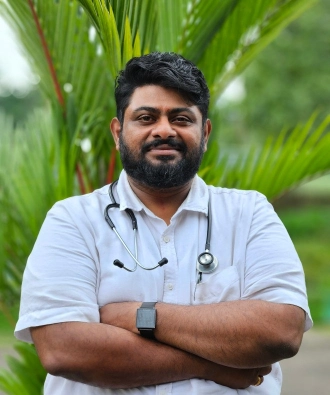


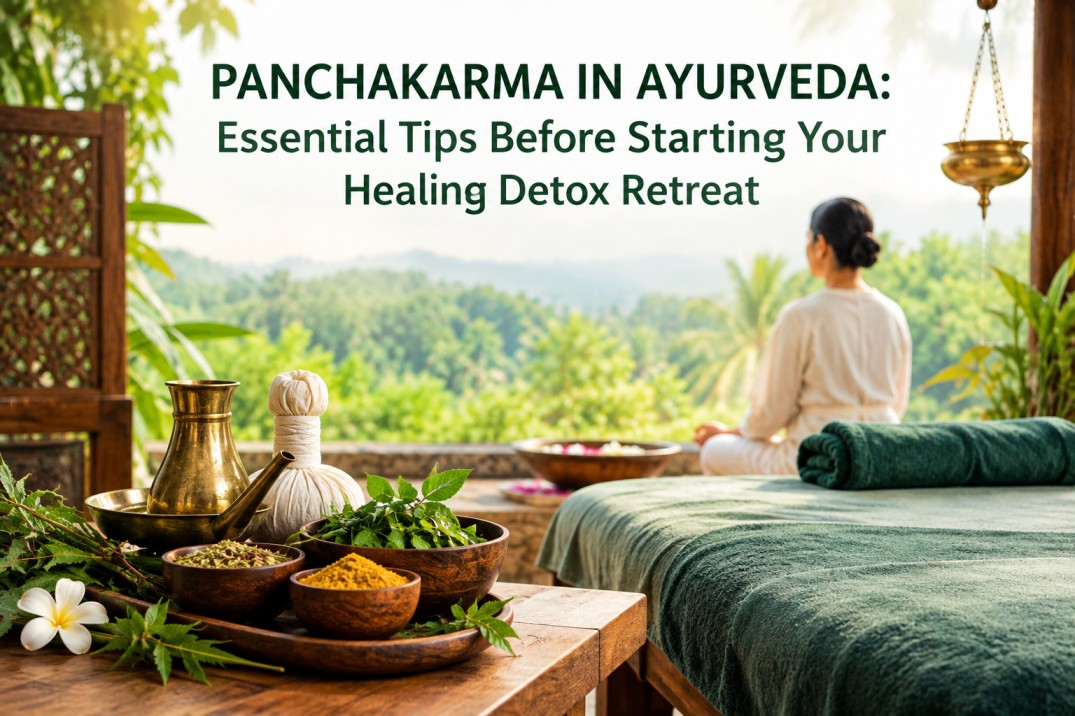

I am Dr Surej, a practising Ayurvedic doctor at Ayur Bethaniya in Kerala. For many years now, I have been working with many patients who have undergone the deep healing experience of Panchakarma. Panchakarma is not just a therapy but is actually a complete holistic approach to healing that rejuvenates the body, mind and soul. The experience of Panchakarma is life-changing but needs proper planning and understanding from the patient side. Many patients arrive with the expectations of quick relief, but Panchakarma is a slow process that unfolds gradually, requiring patience and trust. Here, in my blog, I will share my professional experience as an Ayurvedic physician and provide some useful tips for preparing for the detox retreat.
Panchakarma: A Holistic Reset
Panchakarma, which means “five actions”, is one of the most effective treatments in Ayurvedic therapy. It aims at detoxification and balancing the doshas (Vata, Pitta, Kapha), as well as rejuvenation. The five core therapies in panchakarma include the following.
- Vamana – therapeutic emesis for Kapha imbalances. This technique is useful in removing the excessive accumulation of mucus and toxins from the stomach and lungs.
- Virechana – purgation for Pitta disorders. It detoxifies the liver and intestines, improving your digestion and reducing inflammation.
- Basti – medicated enemas for Vata conditions. Basti is considered the most powerful therapy for balancing Vata, which governs movement and nervous system health.
- Nasya – medicine administered through the nose for head and sinus ailments. It clears toxins from the sinus areas, improving clarity, memory and respiratory health.
- Raktamokshana – blood purification for chronic ailments. Though less commonly practised today, it is effective for certain skin and circulatory disorders.
Each therapy is customised to the patient’s constitution, health condition and seasonal factors. Panchakarma is not a generalised detox procedure but a unique treatment process.
Essential Tips Before Starting Panchakarma
Undergoing Panchakarma requires adequate preparation, and from my years of experience with patients, it has become clear that the efficacy of this treatment process depends largely on the preparation process before beginning treatment.
Consultation With An Ayurvedic Doctor
An intensive consultation guarantees the safety and efficiency of Panchakarma. Your doctor will examine your dosha constitution and past and current state of health in order to design an appropriate treatment program for you. Not undertaking this process may result in unsuitable treatments that could worsen your condition.
Dietary Preparation
Start your cleanse diet two weeks prior to beginning the treatment. Eat light meals, including khichdi, soups, and herbal teas. Avoid caffeine, alcohol, processed foods and meat. This preparation helps your digestive system adapt and makes the detox more smoother.
Mental Readiness
Panchakarma generally results in an emotional purging process. Meditating, journaling, and light yoga will be very helpful to prepare yourself mentally for the process. Patients who have prepared themselves mentally prior to the process experience better results.
Lifestyle Changes
It is advised to avoid vigorous exercise, lack of sleep, and too much screen time. A peaceful lifestyle improves the effectiveness of the treatment. It’s recommended to view Panchakarma as a retreat rather than a treatment process.
Reaction To Healing
Exhaustion, mild headaches or emotional swings can occur during the detoxification process. This response is just a normal part of toxin elimination from the body. Being aware of these reactions helps you to embrace the process rather than resist it.
Conditions Benefitting From Panchakarma
Based on my clinical experience, Panchakarma therapy has exhibited excellent results in cases of
- Arthritis – reducing inflammation and stiffness
- Digestive Disorders – improving metabolism and digestive tract
- Skin Disorders – balancing pitta and blood purification
- Respiratory Conditions – strengthening immune system and lungs
- Nervous System Disorders – calming vata and nerves
- Stress And Anxiety – harmonising mind-body balance
However, these results are not instantaneous but develop gradually as the body returns to balance.
Practical Preparations Before Panchakarma
Before beginning your Panchakarma treatment, there are some practical things that need to be arranged to maximise your comfort and safety during the process.
- Bring comfortable clothes - cotton clothes will work well for you.
- Bring medications – discuss your treatments with your doctor.
- Drink enough water - hot water and herbal teas help detox.
- Be ready to devote your time entirely to the treatment.
- Do not expect immediate results - they come gradually.
Daily Routine During Panchakarma
An average day at Panchakarma begins in a manner that helps in achieving a balance:
- Morning Practices: Yoga, meditation and herbal tea.
- Therapy Sessions: Based on your chosen package, you might go through Abhyanga (oil massage), Swedana (steam treatment), or any of the five main treatments of Panchakarma.
- Food: Light and fresh food cooked using the principles of Ayurveda according to your dosha.
- Rest: Extremely important, as it gives time to your body to detoxify itself.
- Evening Practices: Relaxation routines like chanting, meditation or herbal preparations.
Post-Panchakarma Lifestyle Tips
Advantages of Panchakarma do not stop at the end of the course. To ensure continued advantages,
- Have healthy eating habits – have light and wholesome food.
- Maintain regular practice of yoga and meditation – stay mentally alert.
- Stay away from toxins – have minimal use of alcohol and junk food, and avoid staying up late.
- Regular checkups – visit your doctor for changes during different seasons.
Ayur Bethaniya: Best Ayurvedic Hospital in Kerala
We, at Ayur Bethaniya, blend ancient Ayurvedic practices and medical knowledge to offer authentic panchakarma treatments. Our doctors take personalised care of each and every individual to ensure their safety and transformation to a whole new level.
If you are looking for a treatment for chronic diseases or just want to rejuvenate yourself, then Ayur Bethaniya can be your destination. Due to our high-quality treatment and facilities, compassionate staff and real ayurveda, we are considered among the best ayurvedic hospitals in Kerala.
Conclusion
Panchakarma is much more than just a detox; it is a process by which one can attain balance, energy and peace. When done properly, Panchakarma can help cleanse the body from toxins, give clarity of mind, and bring peace of mind. As an Ayurvedic doctor, I recommend Panchakarma to my patients not as a temporary fix but rather as a process of transformation that promotes good health in the long run. If one adopts Panchakarma in this manner, it turns out to be quite effective and rewarding.
Feel free to contact us for your queries.
Read to know: How Ayurveda Helps You in Postnatal Care